
7 Signs It's Time for a Brand Audit
05/01/2024
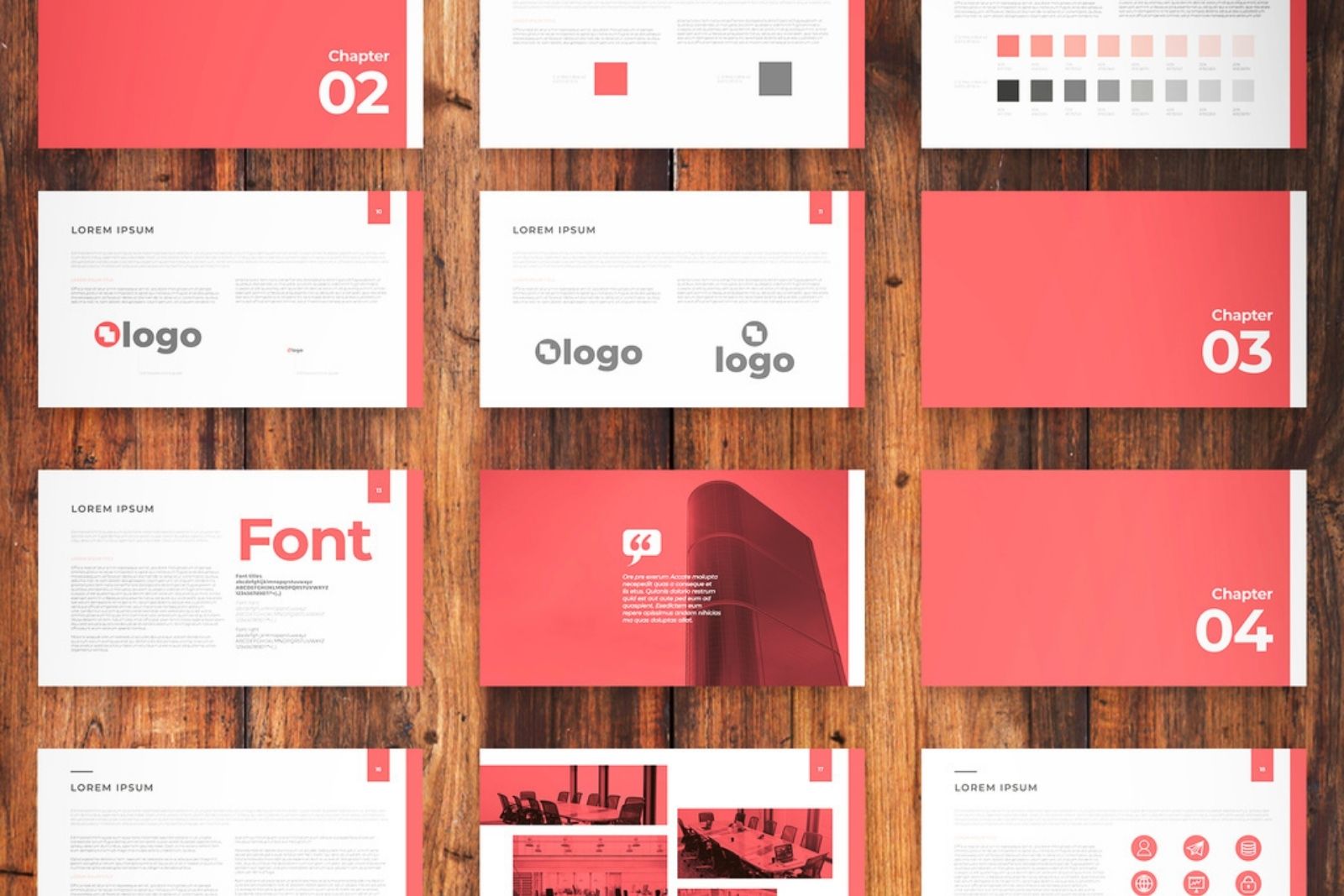
Your business has changed. Has your brand kept up?
Companies evolve naturally. Services expand, ideal customers change, competitors enter the market, and what once made a business distinctive may become less relevant. Meanwhile, the logo, colors, typography, messaging, and other elements customers see can remain virtually untouched.
Eventually, a disconnect develops between who the company is and what its brand communicates.
For businesses considering a brand audit in Los Angeles, CA, the goal is not automatically to redesign everything. A brand audit evaluates how effectively your current identity represents the business, connects with your audience, and stays consistent across customer touchpoints.
Here are seven signs it may be time to take a closer look.
1. Your Business Has Outgrown Its Original Brand
Many businesses start with what they need to get moving: a logo, a few colors, a website, and perhaps some basic marketing materials.
Then the company grows.
Services become more sophisticated. Prices change. The customer base expands. A small operation develops into an established company, but the branding still reflects its earliest stage.
When that happens, potential customers may form an impression that no longer matches the experience the business actually delivers.
A brand audit can compare your current identity with your company's present positioning, services, audience, and goals. The question is simple: Does the brand you have today represent the company you want customers to see tomorrow?
Reviewing professional branding and graphic design projects can also help illustrate how different visual systems communicate different personalities and market positions.
2. Your Branding Looks Different Everywhere
Open your website, social media profiles, sales presentation, email signature, business card, signage, and recent marketing materials.
Do they clearly belong to the same brand?
Inconsistent colors, fonts, logo variations, photography, graphics, and messaging can make a business feel fragmented.
This often happens gradually. Someone creates a social graphic with a slightly different color. Another person substitutes a font. An outside vendor receives the wrong logo. New materials are created without guidelines explaining how everything should work together.
Eventually, the company has several interpretations of the same brand.
Consistency does not mean every piece of marketing needs to look identical. It means customers should recognize a common visual and verbal identity wherever they encounter your business.
Pro Tip: Put examples of your website, social media, proposals, print materials, ads, and signage next to each other. If they look like they belong to several different companies, brand consistency should become a priority.
3. Customers Misunderstand What You Do
Good branding does more than look attractive. It helps set expectations.
If prospective customers repeatedly misunderstand your services, assume you serve a different market, or cannot explain what makes your company different, the problem may extend beyond your sales copy.
Your visual identity and messaging work together to create an impression before a customer ever speaks with you.
A playful identity could feel mismatched for a company trying to communicate premium expertise. A highly traditional visual system might not support a business positioning itself as innovative and forward-thinking.
Neither style is inherently wrong.
The problem occurs when the message your branding communicates conflicts with the position you want to occupy.
What Does a Brand Audit Include?
A brand audit typically examines how a business presents itself visually and verbally across its major customer touchpoints.
Depending on the company, that may include:
- Logo and logo variations
- Color palette
- Typography
- Photography and imagery
- Graphic elements
- Website presentation
- Social media
- Print materials
- Sales collateral
- Brand messaging
- Tone of voice
- Competitor positioning
- Customer experience
The purpose is to identify what is working, where inconsistencies exist, and what may need refinement.
An audit does not necessarily mean a complete rebrand will follow. Sometimes a business already has strong brand equity and simply needs clearer guidelines or more consistent execution.
4. Your Ideal Customer Has Changed
The customer you serve today may not be the customer you originally built the brand to attract.
Perhaps your company moved from small projects to larger accounts. Maybe you entered a new industry, introduced premium services, or began targeting a more specialized audience.
Your branding should support that shift.
Consider the expectations of your current ideal customer. What qualities matter to them? Expertise? Creativity? Reliability? Exclusivity? Speed? Innovation?
Then evaluate whether your visual identity and messaging reinforce those qualities.
Businesses competing in a large market may find this especially important. A brand audit in Los Angeles, CA can help identify whether the current identity clearly communicates the company's position to the customers it wants to reach.
5. Your Brand Blends in With Competitors
Take a look at five or ten direct competitors.
If you removed every company name, could you easily tell the brands apart?
Industries often develop visual conventions. Competitors begin using similar colors, fonts, layouts, stock photography, slogans, and messaging until nearly everyone looks interchangeable.
Familiarity can be useful because customers should understand what kind of business they are looking at. But looking exactly like everyone else makes differentiation difficult.
A brand audit can include a competitive review to identify common patterns and opportunities to create a more distinctive position.
The goal is not to be different merely for attention.
Effective differentiation should be relevant to your audience and authentic to the business.
6. Your Team Keeps Reinventing the Brand
If every new marketing project begins with questions about which logo to use, what font is correct, or which shade of a brand color is official, the problem may be your brand system rather than your team.
Strong branding needs rules.
Those rules can address logo usage, color values, typography, imagery, layouts, messaging, and other recurring decisions.
Without them, employees and outside vendors have to guess.
That creates inconsistencies and wastes time. A designer may rebuild assets that should already exist. A social media manager may make independent visual decisions. A printer may receive an outdated logo.
Brand guidelines turn a collection of design elements into a usable system.
How Often Should a Business Conduct a Brand Audit?
There is no universal schedule, but businesses should periodically review whether their branding still reflects their goals, audience, positioning, and market.
Certain events make an audit particularly useful.
These include major growth, new services, expansion into new markets, changes in leadership, a website redesign, increased competition, or recurring inconsistencies across marketing.
A brand does not need to change simply because it has reached a certain age. Strong identities can remain effective for years.
The more important question is whether the brand is still doing its job.
7. You Feel Like You Need a Rebrand—but Can't Explain Why
"We need a new logo" is often the beginning of a branding conversation, not the conclusion.
Before changing visual elements, identify the business problem you are trying to solve.
Is the current brand dated? Are customers confused? Has your target audience changed? Is the company moving upmarket? Are marketing materials inconsistent? Does the brand lack differentiation?
A brand audit creates space to answer those questions before investing in new creative work.
That matters because changing a logo without addressing the underlying strategy may produce a newer-looking identity without solving the actual problem.
What's the Difference Between a Brand Audit and a Rebrand?
A brand audit evaluates your existing brand. A rebrand changes it.
The audit should generally come first because it helps determine what actually needs attention.
Findings might indicate that the logo remains effective but the typography and visual system need refinement. The problem might be inconsistent implementation rather than the identity itself. Or the audit may reveal a larger mismatch between the company's current positioning and its brand.
In that case, a broader rebrand could make sense.
Starting with evaluation helps businesses make design decisions for strategic reasons rather than simply because they are ready for something new.
What Should You Do After a Brand Audit?
Once weaknesses and opportunities have been identified, prioritize them.
Not every issue requires immediate action.
Some businesses may need clearer brand guidelines. Others could benefit from updated marketing templates, revised messaging, stronger visual consistency, or a more comprehensive identity refresh.
Consider which changes will have the greatest impact on how customers perceive and experience the business.
Budget and implementation also matter. Crastinum Creative provides packages and pricing for businesses evaluating professional creative support.
A clear plan can help ensure improvements are rolled out consistently instead of creating another layer of mismatched branding.
Make Sure Your Brand Represents Where You're Going
Your brand should not become disconnected from the business behind it.
If your company has grown, your audience has changed, customers misunderstand your positioning, competitors look increasingly similar, or your team struggles to maintain consistency, it may be time for a closer evaluation.
A professional brand audit in Los Angeles, CA can help separate what should be preserved from what needs to evolve. Instead of redesigning for the sake of change, you can make decisions based on the message your business needs to communicate next.
Ready to evaluate your brand? Contact Crastinum Creative to discuss where your identity is today and where you want it to go.
Designing your tomorrow, today, right here in Los Angeles, CA.